
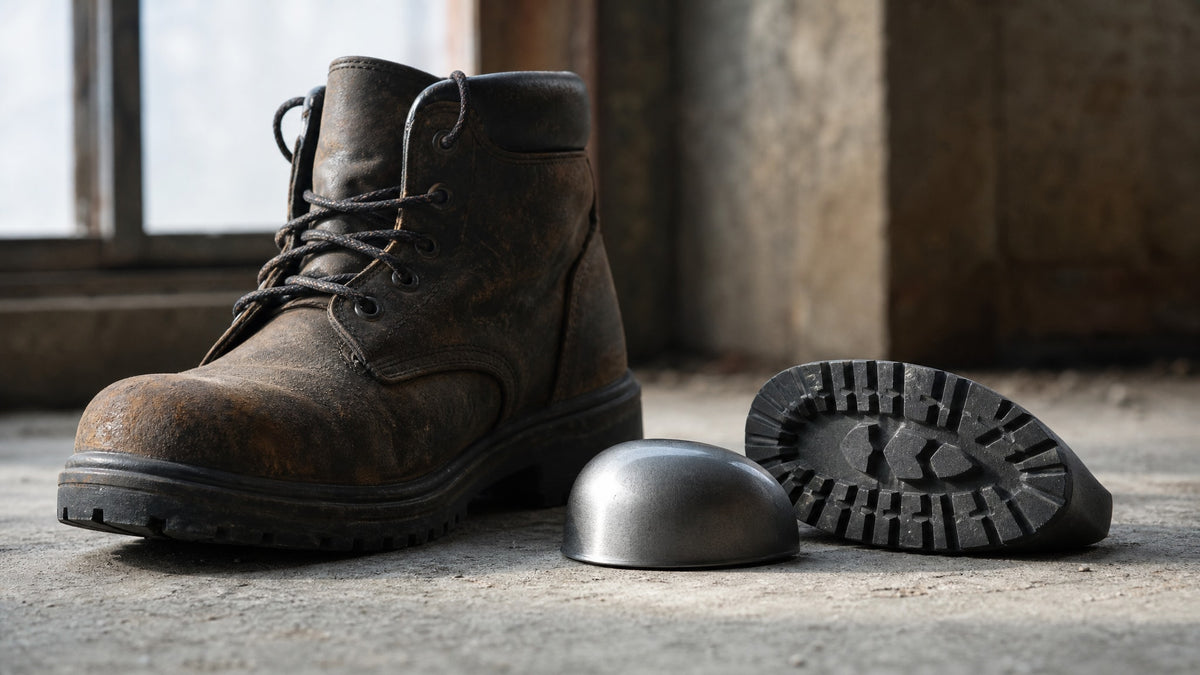
Selecting safety footwear means matching specific hazards to certified protection levels, not choosing on comfort or brand name alone. You need boots that meet the exact demands of your work environment, whether that's heavy construction, food processing, or warehouse logistics. Knowing how to choose the right work boots starts with reading the safety codes stamped inside every compliant pair. Those markings define the legal and functional limits of the equipment. This guide breaks down the technical specifications so procurement teams and individual tradespeople can identify footwear that actually suits their daily tasks.
Understanding Safety Ratings: S1 vs S3 Boots Explained
UK safety footwear must comply with EN ISO 20345, which sets a minimum toe cap impact resistance of 200 joules no matter the S-rating. That baseline means any boot carrying the CE mark gives basic crush protection. The additional codes decide whether the footwear actually suits your site conditions. Picking the correct rating is a compliance requirement, not a preference, and confusing these categories can leave workers exposed to hazards that basic certification doesn't cover.
What S1, S1P, and S3 Ratings Actually Mean
The real difference between S1 and S3 safety boot ratings comes down to water resistance and underfoot penetration protection. S1 footwear includes antistatic properties, fuel oil resistance, and heel energy absorption, which suits dry indoor environments where liquid exposure is minimal. S1P adds a penetration-resistant midsole to stop nails or sharp debris pushing through the sole, but it still lacks the water-repellent upper that outdoor or wet work needs.
S3 boots carry all the S1 features plus a cleated outsole and a water-resistant upper that keeps liquid out during prolonged exposure. The Proforce 1405 Composite Safety Chukka Boot, priced around £21.15, is rated S3 SR with a composite toe cap and anti-static properties, which suits general industrial use where metal-free safety matters. An S1 boot on a wet construction site won't give you the waterproof barrier the S3 standard guarantees. That gap can compromise both safety and regulatory compliance.
Matching Safety Codes to Workplace Hazards
The safety rating has to match the actual risks on site. A warehouse operative working exclusively on dry concrete may find S1 or S1P footwear enough, while contractors facing rain, mud, and standing water need S3 certification at minimum. For detailed comparisons of toe cap materials, our steel toe cap work boots buying guide explains when steel versus composite makes sense for different trades.
Composite toe caps differ from steel in offering thermal insulation and non-conductive properties without giving up impact resistance, which benefits electricians and anyone working in extreme temperatures. If you're specifying footwear for electrical trades, our article on essential kit for electricians covers non-conductive requirements in more depth. Getting the safety code wrong for the hazard doesn't just risk injury. It creates liability if an incident happens and the PPE supplied turns out to be inadequate for the documented site risks.
Selecting Slip Resistant Work Boots for Specific Surfaces
Slip resistance is tested against defined surfaces, and no single boot performs the same across every floor type. The slip resistant work boots you pick need to carry the test code that matches your primary ground surface. Generic grip claims don't account for the difference between oily steel plate and wet ceramic tile. Get the slip resistance category wrong and workers stay vulnerable even when the boot meets every other safety criterion.
Decoding SRA, SRB, and SRC Slip Resistance
SRA certification means the boot's been tested for slip resistance on ceramic tile with sodium lauryl sulphate solution, simulating wet or soapy conditions common in food service or cleaning work. SRB testing uses glycerol on steel plate to mimic oily industrial floors, while SRC combines both tests to certify performance in either environment. The 4302GR030 Grey Pink EVA Rubber Safety Shoe, around £67.39, carries an SRC rating alongside its S1P classification, confirming verified grip on both wet tile and oily steel.
A boot marked only SRA hasn't been validated for oily metal surfaces, no matter how aggressive the tread looks. Procurement staff should check the specific slip code against the dominant floor contaminant in each work zone rather than assume universal slip protection across a range.
Sole Compounds for Oil, Water, and Concrete
Sole compound chemistry drives long-term grip retention as much as the initial slip test result. Dual-density PU soles, like those on the Omaha safety shoe (around £25.00), balance cushioning with abrasion resistance to hold traction on hard industrial floors over the boot's working life. Softer compounds can grip better on smooth surfaces at first but wear down fast on abrasive concrete, losing their slip resistance weeks before the upper shows real damage.
Match the sole compound to both the abrasiveness of the walking surface and the contaminant type. Oily environments call for nitrile rubber or specialised PU blends that resist chemical breakdown, while dry concrete allows standard PU formulations built for durability over chemical resistance. Getting the compound right avoids premature replacement and keeps safety performance consistent across the fleet.
Best Boots for Concrete Floors and Heavy Industry
Standing on unyielding concrete for full shifts builds cumulative fatigue that hits productivity and long-term joint health. Energy-absorbing heels matter for workers on concrete because they dissipate impact forces that would otherwise travel through the skeleton with every step. EN ISO 20345 makes this feature mandatory for S1 and above, but the quality of absorption varies a lot between entry-level and premium builds.
Impact Protection and Energy Absorption Features
Effective energy absorption needs engineered midsole density, not simple foam padding that compresses permanently after brief use. Better boots build shock-dissipating zones into the sole unit itself, so the protection holds up over the product's service life instead of fading within months. Workers on concrete need that sustained performance because fatigue-related injuries tend to develop gradually, as cushioning fails and repetitive stress builds up.
Weigh energy absorption claims against the expected shift length and floor hardness rather than taking marketing copy at face value. Boots built for occasional site visits lack the sustained support that eight-hour shifts on poured concrete demand, even where they technically meet the minimum standard. The best boots for concrete floors prioritise long-term ergonomic performance alongside basic impact certification.
Durability Standards for Abrasive Environments
Heavy industry destroys footwear through mechanical abrasion, chemical exposure, and physical trauma that lighter boots can't survive. The Rockfall Shale, around £98.75, uses full-grain leather from a tannery certified to the Leather Working Group Gold standard, which points to verified durability and environmental responsibility for heavy construction work. That level of material specification is what separates genuine worksite footwear from products that merely clear the minimum safety threshold without holding up under prolonged hard use.
Abrasion resistance goes beyond the upper, into scuff caps, reinforced stitching, and sole bonding methods that stop delamination under stress. Quad-stitched seams in high-stress areas, as on the Proforce 1405, spread load across multiple thread lines to prevent a seam failing outright during kneeling or climbing. Paying more for higher-specification construction lowers total cost of ownership by stretching out replacement intervals, even when the price per pair is higher upfront.
Specialist Footwear for Wet, Food, and Outdoor Trades
Standard leather safety boots fail in environments that need full waterproofing or hygiene compliance. Whether a worker should choose a waterproof wellington over a leather safety boot comes down to whether the hazard is occasional wet weather or constant liquid immersion and washdown. These specialist categories cover hazards that general-purpose S3 footwear can't manage.
Waterproof vs Water-Resistant Construction
Water-resistant S3 uppers shrug off splashes and brief exposure but eventually saturate under sustained immersion or deep standing water. Fully waterproof builds like the Black Waterproof Hiking Boot (around £112.45) use sealed membrane linings and waterproof sole bonding to keep liquid out entirely, which suits drainage work, forestry, or sites with persistent flooding. Breathable waterproof linings let moisture vapour escape during active use, cutting the sweat build-up that causes blisters and skin maceration on long shifts.
Leather boots treated with water-repellent finishes need regular reapplication to stay effective, while membrane-based waterproofing works independently of surface treatments. For outdoor trades facing variable conditions, the breathable waterproof hiking boot offers versatility that pure rubber wellingtons lack during high-exertion tasks. Membrane footwear still has its limits, though, and won't substitute for fully sealed rubber construction in submerged or chemical-heavy environments.
Hygiene and Chemical Resistance in Food Processing
Food processing environments need footwear that resists organic fats, cleaning chemicals, and bacterial growth while meeting washdown compliance standards. For food preparation areas, the Portwest FD84 Food Wellington (around £50.48) includes an antibacterial liner and resistance to oils, fats, and organic solvents, covering hygiene hazards that standard leather boots don't address. Leather absorbs organic contaminants and can't be sanitised to food-safe standards, so it's unsuitable for direct production areas regardless of its safety rating.
Features that make a boot suitable for food processing include seamless construction to cut down bacterial harbourage points, chemical-resistant sole compounds that stand up to caustic cleaners, and materials rated for animal fat and vegetable oil exposure. The S4 FO CI SR marking on the FD84 confirms fuel oil resistance, cold insulation, and slip resistance alongside the waterproof construction that wet washdown areas need. Specifying food-grade footwear protects both worker safety and product integrity in regulated production facilities.
Balancing Comfort and Protection in Daily Wear
Comfort features need to support, not compromise, the protective function of safety footwear. Padded collars, cushioned inner soles, and ergonomic lasts cut fatigue without touching the certified safety parameters that make the boot compliant. The Holton Honey (around £43.56) shows how traditional styling can carry modern comfort technology for long-shift wear while keeping full EN ISO 20345 certification.
Ergonomic touches like anatomical footbeds and flexible sole units matter because uncomfortable boots get removed or modified, which cancels out their safety purpose entirely. Thick padded collars and tongues, specified on several models across our range, stop pressure points around the ankle that cause distraction and reduced mobility during long wear. Assess comfort features against the specific movements and postures each role demands, since standing-intensive jobs need a different cushioning profile than climbing-heavy trades.
Comfort doesn't replace safety certification. No amount of padding makes up for inadequate toe protection or missing penetration resistance. The goal is footwear workers will actually keep wearing because it supports their tasks without causing pain, which keeps compliance going through the whole shift.
Trade-Specific Recommendations from Our Range
Matching footwear to job roles takes the guesswork out and keeps protection consistent across your workforce. Different trades face different hazard combinations that favour specific boot configurations, and standardised procurement simplifies inventory management while improving safety outcomes.
Warehouse and Light Industrial Picks
Warehouse work typically means dry floors, frequent walking, and moderate load handling rather than heavy construction hazards. Lightweight composite options like the Proforce 1405 give adequate S3 protection without the weight penalty of steel-capped alternatives, cutting fatigue during high-step-count shifts. Staff managing mixed indoor and yard duties get the benefit of S3 water resistance while appreciating the chukka profile, which allows easier movement in vehicle cabs and racking aisles.
For wider PPE planning beyond footwear, our warehouse staff safety kit checklist covers additional equipment for distribution centres. Anti-static properties built into warehouse-appropriate boots stop spark generation around sensitive electronics or flammable atmospheres, a feature often overlooked when boots get chosen purely for mechanical protection.
Construction and Outdoor Site Essentials
External construction work demands waterproofing, penetration resistance, and abrasion tolerance well beyond light industrial specifications. The Rockfall Shale is a solid pick for harsh sites, where full-grain leather durability and Gold-standard tannery certification justify the investment. Contractors moving between muddy groundwork and finished interior spaces need S3 footwear that cleans up easily while still looking professional for client-facing moments.
Waterproof hiking-style boots suit surveyors, inspectors, or supervisors who cover a lot of ground on uneven terrain without the heavy abrasion exposure that direct labourers face. The key is matching the boot's durability tier to the actual site conditions instead of defaulting to the heaviest option for every role. Over-specifying footwear for low-hazard tasks wastes budget and hurts compliance through needless discomfort.
Sizing, Fit, and Compliance Considerations
Proper fit is part of PPE compliance, not just a comfort preference, because ill-fitting footwear undermines protective function and creates new hazards. Workers wearing thick thermal socks in winter need enough toe box volume to avoid circulation restriction against the toe cap, which can cause cold injury despite the boot's insulation rating. Always fit boots with the thickest sock intended for use and check for finger-width clearance ahead of the toes when standing.
Employers providing safety footwear need to understand their legal obligations under current regulations. Our guide on PPE required by law in the UK sets out employer responsibilities for supplying appropriate protective equipment free of charge to employees. Making sure chosen work boots meet current UK safety regulations means checking the EN ISO 20345 marking, confirming the manufacture date is current, and documenting the hazard assessment behind each selection.
Fit problems often show up when bulk sizes get ordered without accounting for brand-specific last variations or individual foot shape. Offering try-on sessions or keeping exchange stock in hand stops workers being issued boots that technically meet spec but can't be worn safely for a full shift. Compliance records should note not just the boot model supplied but confirmation that each worker got correctly sized equipment suitable for their assigned tasks.